
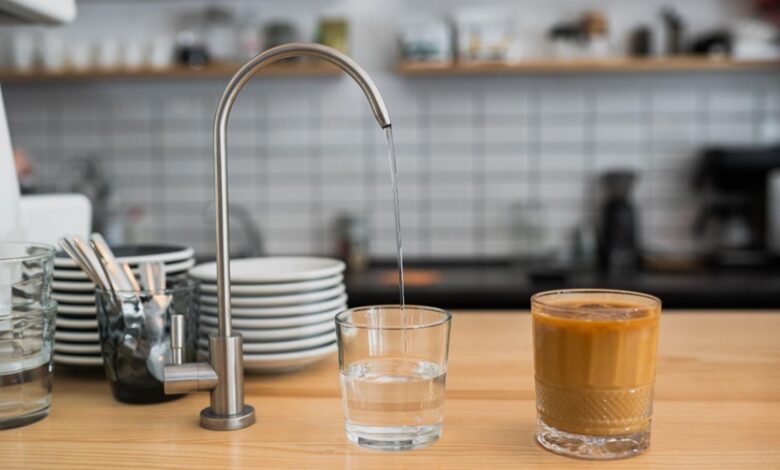
Many people assume that any machine dispensing drinking water also cleans it. In reality, water dispensers vary widely in what they do. Some simply heat, chill and deliver water from a bottle or the tap, while others include multi-stage filtration designed to reduce specific impurities. Understanding this difference is essential for anyone who wants cleaner-tasting water or greater peace of mind about what they drink every day.
Not Every Unit Filters
The first step is to check whether a unit filters at all. Basic bottled models generally dispense whatever is inside the bottle, so the quality depends on the bottled source rather than the machine. Mains-connected purifier dispensers, on the other hand, pass tap water through one or more filters before it reaches the glass. The type and quality of these filters determine which impurities are reduced and to what extent.
How Common Impurities Respond to Filtration
Different contaminants require different treatment methods, and no single filter handles everything equally well.
Chlorine
Chlorine and chloramine are commonly used to disinfect public water supplies and keep them safe as they travel through pipes. While effective, they can leave a noticeable taste or smell. Activated carbon filters are widely used to reduce chlorine, which is why many people notice a fresher taste after filtration. How much is removed depends on the filter’s quality and how recently it was replaced.
Heavy Metals
Metals such as lead or copper can sometimes enter water from older plumbing or fittings within a building rather than from the main supply. Some carbon block filters, ion-exchange media and reverse osmosis membranes are designed to reduce certain heavy metals. However, not every filter targets them, so checking the product’s stated capabilities and any independent certifications is important. Anyone comparing models to find the best water dispenser in Singapore should look for clear information about which metals a unit has been tested to reduce, rather than relying on general claims of “purified” water.
Sediment and Rust Particles
Fine sand, rust flakes and other particles can enter water through ageing pipes or storage tanks. Sediment pre-filters are designed to trap these particles, protecting finer filters downstream and improving the water’s clarity.
Microorganisms
Bacteria and viruses are typically addressed through methods such as ultraviolet (UV) treatment, ultrafiltration or reverse osmosis. UV light can inactivate many microorganisms but does not remove chemicals or metals. Regular cleaning of the dispenser itself also matters, as bacteria can grow inside tanks and nozzles that are not maintained.
Dissolved Salts and Minerals
Reverse osmosis systems can remove a large proportion of dissolved solids, including some minerals. Some people prefer this, while others choose systems that retain or add back minerals for taste. Standard carbon filters generally leave most minerals in place.
What to Check Before Relying on a Unit
A few checks can help households judge whether a dispenser will deliver the results they expect:
- The specific filtration stages used, such as sediment, carbon, reverse osmosis or UV.
- Independent test results or certifications, such as NSF/ANSI standards, for each claimed reduction.
- Recommended filter replacement intervals and the cost of replacements.
- Whether the unit allows easy cleaning of tanks and dispensing areas.
- Tap water quality reports from the national water agency, which can show which impurities are actually a concern locally.
Even the most advanced system may underperform if filters are left long past their recommended lifespan, so maintenance is as important as the initial choice.
The Real Answer Lies in the Details
The honest truth is that some units remove a great deal, some remove very little and most fall somewhere in between. Looking past marketing language to the actual filtration stages, test results and upkeep requirements reveals what a machine can genuinely deliver, and that knowledge is the surest path to a choice that brings lasting confidence with every glass.
Wondering what your filtration system actually removes? Connect with Pure Water Dispensers to learn more.


