
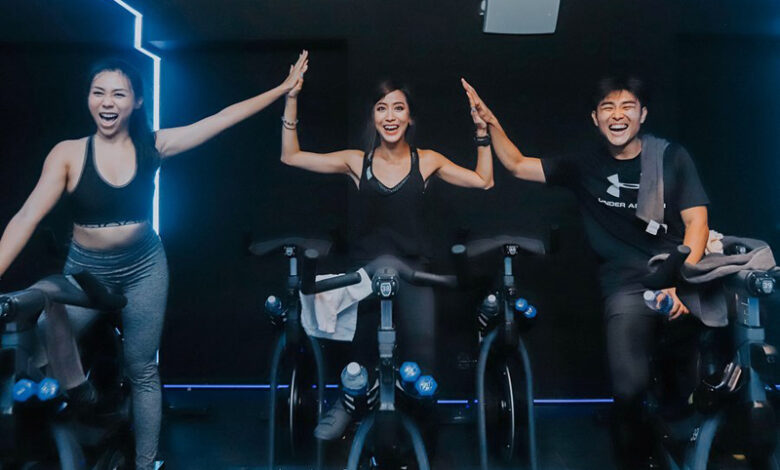
Singapore’s fitness industry has undergone a noticeable shift over the past decade. Consumers are no longer satisfied with generic workout options that offer limited personalisation or engagement. Instead, there is growing demand for structured, results driven experiences that justify both time and financial investment. Within this changing landscape, spinning classes have become a significant contributor to the commercial growth and diversification of the local fitness market.
More than just a workout trend, indoor cycling programmes represent a strategic business model that aligns well with Singapore’s urban lifestyle, space limitations, and performance oriented culture. From membership retention to revenue optimisation, spinning has influenced how fitness operators design offerings and how consumers perceive value.
Changing Consumer Behaviour in Singapore’s Fitness Economy
Singaporean consumers are highly discerning. With access to global fitness trends and a strong emphasis on efficiency, they expect measurable outcomes from paid services.
Preference for Structured, Measurable Workouts
Spinning classes appeal to individuals who value clear structure and progress. The use of cadence targets, resistance levels, and performance cues creates a sense of measurable achievement. This clarity enhances perceived value, which is critical in a competitive fitness market.
Time Efficiency as a Purchase Driver
Busy professionals often prioritise workouts that deliver results within a defined time window. Indoor cycling sessions fit well into lunch breaks or after work schedules, making them commercially attractive to a wide demographic.
Revenue Streams Generated by Spinning Programmes
From a business perspective, spinning classes support multiple income channels within fitness facilities.
High Utilisation of Limited Space
Indoor cycling studios require relatively compact spaces while accommodating a significant number of participants per session. This high utilisation rate improves revenue per square metre, an important consideration in Singapore’s high rental environment.
Repeat Attendance and Class Based Loyalty
Spinning classes encourage repeat participation due to progressive programming and instructor led motivation. High attendance frequency strengthens member retention, reducing churn and stabilising monthly revenue.
Upselling Through Performance Focus
Participants who track progress often invest further in fitness related services such as personalised coaching, performance assessments, or complementary strength training. This ecosystem effect increases lifetime customer value.
Cost Efficiency for Fitness Operators
Operational efficiency is a major factor in sustainable fitness businesses.
Lower Maintenance Compared to Heavy Equipment Zones
Indoor cycling bikes require less floor reinforcement and maintenance compared to heavy free weight areas. This reduces long term operational costs while maintaining high engagement.
Scalable Class Programming
Once class formats are established, they can be delivered consistently across multiple time slots with predictable outcomes. This scalability supports stable scheduling and staffing models.
Impact on Membership Models and Pricing Strategy
Spinning classes have influenced how fitness services are packaged and priced.
Value Based Membership Perception
Members often associate instructor led group classes with higher value than unsupervised gym access. This perception supports premium pricing tiers and justifies long term membership commitments.
Encouraging Off Peak Usage
By scheduling spinning sessions throughout the day, fitness facilities can distribute foot traffic more evenly. This improves overall capacity management and enhances member experience.
Influence on Brand Positioning and Market Differentiation
In a crowded market, differentiation is essential.
Creating a Lifestyle Oriented Brand Image
Spinning programmes often incorporate music, lighting, and instructor personality, transforming workouts into experiences. This experiential approach strengthens brand identity and emotional connection with members.
Aligning With Wellness and Performance Trends
Indoor cycling aligns with broader wellness narratives around heart health, stress management, and sustainable fitness. This positioning resonates with health conscious consumers seeking long term benefits rather than short lived results.
Employment and Skill Development Within the Fitness Sector
The growth of spinning classes has also impacted employment patterns.
Demand for Specialised Instructors
Indoor cycling requires instructors trained in technique, performance coaching, and class engagement. This has created opportunities for specialised fitness professionals and raised overall instructional standards.
Continuous Education and Upskilling
To maintain class quality, instructors often engage in ongoing training. This culture of learning contributes to a more professional and resilient fitness workforce.
Consumer Spending Beyond Membership Fees
Spinning participants often invest beyond basic access.
Apparel and Accessories
Performance driven workouts encourage spending on cycling shoes, apparel, and wearable technology. This secondary spending reflects the economic ripple effect of indoor cycling culture.
Health and Recovery Services
As participants become more engaged, they are more likely to invest in recovery services, nutrition guidance, and wellness consultations, further expanding the fitness economy.
Long Term Market Sustainability
Unlike short lived fitness trends, spinning has demonstrated long term staying power.
Adaptability to Changing Preferences
Class formats can evolve without significant reinvestment. Adjustments in music style, intensity focus, or training objectives keep programmes relevant to shifting consumer interests.
Integration With Broader Fitness Offerings
Spinning complements strength training, flexibility work, and recovery focused activities. This integration supports holistic membership models rather than isolated services.
Within this context, True Fitness Singapore continues to reflect how structured indoor cycling programmes can support both member outcomes and business sustainability through thoughtful programming and professional delivery.
FAQs on Spinning Classes and the Fitness Business Landscape
Why are spinning classes commercially successful in Singapore?
They align well with urban lifestyles, offer high engagement in limited space, and support repeat attendance, all of which contribute to stable revenue.
Do spinning classes improve member retention?
Yes, structured progression and instructor led motivation encourage consistency, which reduces membership cancellations.
Are spinning classes cost effective to operate?
Compared to large equipment zones, indoor cycling studios are relatively cost efficient while generating high utilisation.
How do spinning programmes influence pricing models?
They enhance perceived value, supporting tiered memberships and longer term commitments.
Do spinning classes attract a specific demographic?
They appeal broadly, from young professionals to older adults seeking joint friendly cardio, making them commercially versatile.
Can spinning classes support off peak gym usage?
Yes, scheduled classes throughout the day help distribute attendance more evenly across operating hours.
Are spinning classes a long term business strategy?
Their adaptability, consistent demand, and integration with overall wellness trends make them a sustainable component of the fitness market.
By combining strong consumer demand with operational efficiency, spinning classes have become a meaningful economic driver within Singapore’s modern fitness industry.


