Introduction to Industrialization and Economic Growth
Industrialization refers to the transformation of an economy from primarily agriculture based production to large scale manufacturing and mechanized production systems. It plays a central role in shaping national income, employment opportunities, infrastructure development, and technological progress.
Economic growth, on the other hand, represents the increase in a country’s output of goods and services over time. The connection between industrialization and economic growth is strong because industrial expansion increases productivity, improves trade capacity, and encourages innovation across sectors.
Countries that successfully industrialize typically experience sustained improvements in income levels, living standards, and global competitiveness.
How Industrialization Drives Economic Growth
Industrialization contributes to economic growth through multiple interconnected channels that strengthen both production and consumption capacity.
Increase in Productivity
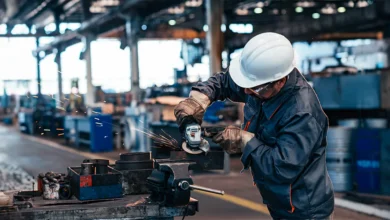
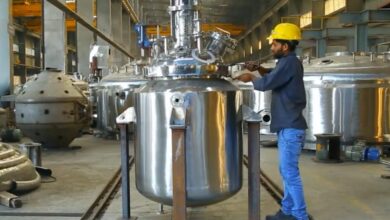
Industrial systems introduce machinery, specialization, and improved production techniques that significantly raise output levels.
Key productivity advantages include:
- Faster production processes
- Reduced dependence on manual labor
- Higher efficiency in resource utilization
- Standardization of product quality
These improvements allow economies to produce more goods within shorter timeframes, directly increasing national output.
Expansion of Employment Opportunities
Industrial growth creates employment across several skill levels ranging from technical experts to operational staff and logistics workers.
Employment expands through:
- Factory based production jobs
- Engineering and technical services
- Transportation and distribution networks
- Administrative and managerial roles
Higher employment increases purchasing power, which stimulates demand across the economy.
Development of Infrastructure
Industrialization encourages the construction of infrastructure necessary for production and trade activities.
Important infrastructure developments include:
- Transportation networks such as roads and railways
- Energy generation facilities
- Industrial corridors and production zones
- Communication and logistics systems
Strong infrastructure improves connectivity between markets and reduces production costs.
Technological Advancement
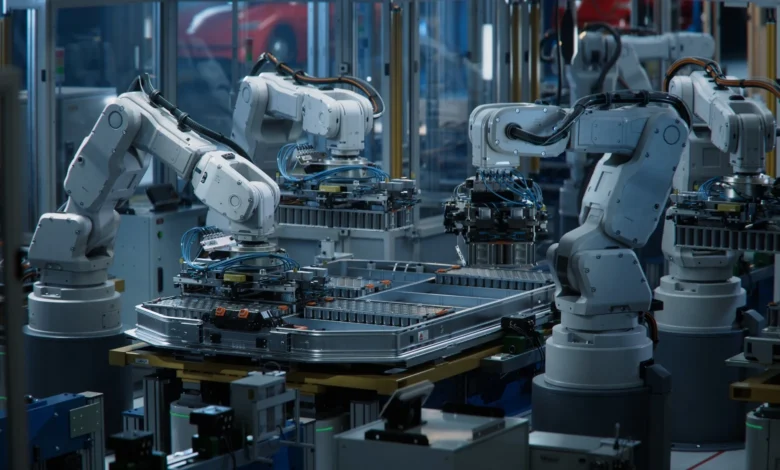
Industrialization promotes the adoption of modern technologies that strengthen economic performance.
Technological benefits include:
- Automation of manufacturing processes
- Research driven innovation
- Improved production techniques
- Digital integration in supply chains
Technology not only increases output but also enhances product competitiveness in global markets.
Role of Industrialization in Structural Transformation
Structural transformation refers to the shift of labor and resources from agriculture to manufacturing and services.
Industrialization accelerates this transition by:
- Increasing industrial employment share
- Encouraging urbanization and new settlements
- Expanding manufacturing based exports
- Reducing reliance on subsistence agriculture
This shift leads to diversified economic activity and more stable income sources.
Impact on Trade and Export Growth
Industrialization strengthens international trade capacity by enabling countries to produce surplus goods for export markets.
Export expansion contributes to growth through:
- Increased foreign exchange earnings
- Improved balance of payments stability
- Expansion of global market access
- Strengthening domestic manufacturing sectors
Export oriented industrial strategies have supported rapid growth in many developing economies.
Contribution to Urbanization and Regional Development
Industrial centers often become hubs of economic activity that attract investment and labor movement.
Urban and regional benefits include:
- Growth of industrial towns and cities
- Expansion of housing and public services
- Development of educational and training institutions
- Improved healthcare infrastructure
Balanced regional industrial development reduces economic inequality between urban and rural areas.
Challenges Associated with Industrialization
Although industrialization supports growth, it also creates several challenges that require careful policy planning.
Major challenges include:
- Environmental degradation from industrial emissions
- Regional disparities in industrial investment
- Pressure on natural resources
- Workforce skill gaps during technological transition
Addressing these challenges ensures that industrial growth remains sustainable over the long term.
Importance of Sustainable Industrialization
Sustainable industrialization focuses on achieving economic progress while protecting environmental and social systems.
Key priorities include:
- Adoption of energy efficient technologies
- Waste reduction and recycling practices
- Development of green manufacturing systems
- Promotion of inclusive employment opportunities
Sustainable strategies help maintain long term economic stability without harming ecological balance.
Conclusion
Industrialization remains one of the strongest drivers of economic growth because it increases productivity, strengthens infrastructure, expands employment opportunities, and improves trade competitiveness. When supported by sound policies and sustainable practices, industrial development creates a stable foundation for long term national progress and improved living standards.
Frequently Asked Questions
1. Why do developing countries prioritize industrialization strategies
Developing countries promote industrialization because it increases production capacity, creates employment, strengthens exports, and accelerates structural transformation toward higher income economic activities.
2. How does industrialization influence income distribution within economies
Industrial growth can improve income levels through job creation and skill development, though balanced regional investment is necessary to avoid widening inequalities.
3. What role do governments play in supporting industrialization
Governments support industrialization by investing in infrastructure, encouraging innovation, offering policy incentives, and strengthening education and technical training systems.
4. How does industrialization affect rural economies
Industrialization supports rural economies by creating non farm employment opportunities, improving market access, and encouraging agro based industrial development.
5. Can industrialization occur without technological progress
Industrialization depends heavily on technological progress because modern production systems require innovation, mechanization, and efficient resource management.
6. How does industrialization influence national competitiveness globally
Industrialization improves competitiveness by enhancing manufacturing capacity, increasing export potential, and supporting innovation driven economic expansion.
7. What industries contribute most strongly to early industrial growth stages
Early industrial growth is commonly supported by textile production, food processing, construction materials manufacturing, and basic metal industries due to their strong employment and infrastructure linkages.