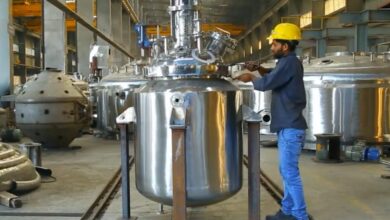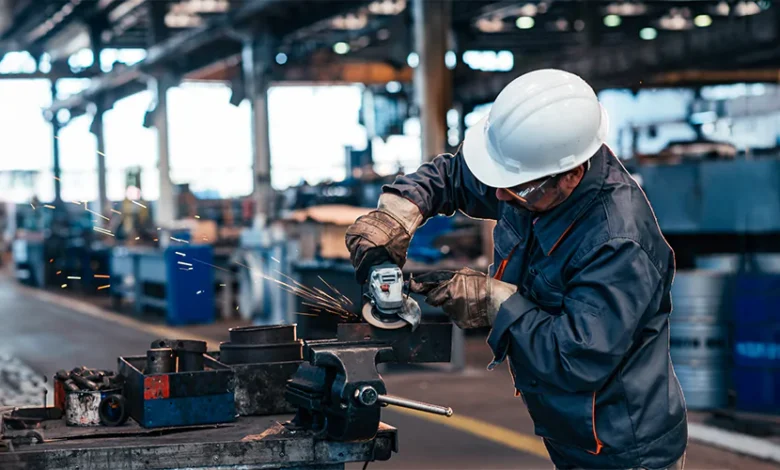
Introduction to the Manufacturing Sector
The manufacturing sector plays a central role in shaping economic development by transforming raw materials into finished products that support domestic consumption and international trade. It acts as a bridge between primary resource extraction and service based economic activity, creating value at multiple stages of production.
Countries that develop strong manufacturing systems generally experience higher productivity, improved employment opportunities, stronger infrastructure networks, and steady industrial expansion. For this reason, manufacturing remains a key pillar of long term national progress.
Role of Manufacturing in Economic Growth
Manufacturing strengthens economic performance by expanding production capacity and increasing national income levels.
Key contributions include:
- Expansion of industrial output
- Growth in national income
- Increased export potential
- Strengthening of supply chains
As production increases, economies benefit from higher levels of investment and stronger market activity across multiple sectors.
Employment Generation Across Skill Levels
The manufacturing sector creates employment opportunities for workers with different educational backgrounds and technical abilities.
Employment benefits include:
- Skilled technical positions in engineering and maintenance
- Semi skilled production line jobs
- Administrative and managerial roles
- Logistics and transportation employment
This wide employment base supports income generation and strengthens purchasing power within the economy.
Contribution to Infrastructure Development
Manufacturing activity encourages the development of infrastructure necessary for production and distribution.
Important infrastructure improvements include:
- Transportation systems connecting industrial regions
- Reliable electricity supply for factories
- Warehousing and logistics networks
- Communication systems supporting industrial coordination
These improvements support both industrial growth and broader economic expansion.
Support for Technological Advancement
Manufacturing industries promote innovation by encouraging research and adoption of modern production techniques.
Technology related benefits include:
- Automation of production processes
- Improvement in product quality standards
- Efficient resource utilization
- Development of specialized technical skills
Technological progress strengthens competitiveness and supports long term productivity gains.
Strengthening Export Performance
Manufacturing enables countries to produce goods for international markets, improving trade performance and generating foreign exchange earnings.
Export growth supports development through:
- Increased international market participation
- Improved balance of payments stability
- Expansion of industrial production capacity
- Attraction of foreign investment
A strong export oriented manufacturing sector enhances global economic integration.
Encouraging Regional Development
Manufacturing industries often promote balanced regional development by establishing production facilities beyond major urban centers.
Regional development advantages include:
- Creation of employment in smaller towns
- Expansion of local markets
- Improvement in transportation connectivity
- Development of supporting service industries
These benefits reduce economic disparities between regions.
Promoting Industrial Diversification
Manufacturing supports diversification by encouraging the development of multiple industrial segments within the economy.
Examples of diversification include:
- Textile production
- Automobile manufacturing
- Electronics assembly
- Food processing industries
Diversification strengthens resilience against economic fluctuations and supports stable long term growth.
Enhancing Living Standards
The manufacturing sector contributes directly to improving living standards by increasing income levels and expanding access to essential goods.
Key improvements include:
- Availability of affordable consumer products
- Increased employment stability
- Growth in urban services and facilities
- Expansion of education and training opportunities
These improvements support overall social and economic well being.
Supporting Linkages with Other Economic Sectors
Manufacturing creates strong connections with agriculture, services, and trade sectors, forming an integrated economic structure.
Examples of sectoral linkages include:
- Use of agricultural raw materials in food processing industries
- Demand for transportation and logistics services
- Growth of financial services supporting industrial investment
- Expansion of retail markets distributing manufactured goods
These linkages strengthen the entire economic system.
Encouraging Innovation and Entrepreneurship
Manufacturing environments support entrepreneurship by creating opportunities for small and medium enterprises to participate in production networks.
Entrepreneurial benefits include:
- Development of supplier industries
- Growth of component manufacturing units
- Expansion of technical service enterprises
- Promotion of innovation based business models
Entrepreneurship strengthens competitiveness and encourages industrial flexibility.
Conclusion
The manufacturing sector remains a critical driver of national development because it supports employment generation, infrastructure expansion, export growth, technological progress, and regional balance. Countries that invest in manufacturing capacity build stronger economic foundations capable of sustaining long term growth and improving living standards.
Frequently Asked Questions
1. Why is manufacturing considered essential for structural economic transformation
Manufacturing supports structural transformation by shifting labor from low productivity activities to higher productivity industrial employment, increasing national output efficiency.
2. How does manufacturing influence investment levels within an economy
Manufacturing attracts both domestic and foreign investment due to its potential for large scale production, innovation, and export expansion.
3. What role does manufacturing play in strengthening supply chain networks
Manufacturing creates demand for raw materials, transportation services, warehousing facilities, and distribution systems, strengthening supply chain integration.
4. How does manufacturing support skill development among workers
Manufacturing industries promote technical education, vocational training programs, and workplace learning that improve workforce capabilities.
5. Why do governments promote manufacturing through industrial policies
Governments support manufacturing because it increases employment opportunities, improves trade performance, and strengthens national economic stability.
6. How does manufacturing contribute to rural industrial development
Manufacturing industries established near rural areas create local employment opportunities and support agro based production systems.
7. What challenges affect the growth of the manufacturing sector in developing economies
Common challenges include infrastructure gaps, limited access to advanced technology, workforce skill shortages, and fluctuations in global market demand.