Marketing

Marketing Funnel Stages and Customer Journey

The marketing funnel represents the structured path people follow from discovering a brand to becoming loyal customers. Understanding how each stage works helps businesses guide potential buyers through meaningful interactions rather than random promotions.

The customer journey complements the funnel by describing how individuals experience a brand across different touchpoints. When both concepts are aligned, marketing becomes more focused, efficient, and measurable.

What Is a Marketing Funnel

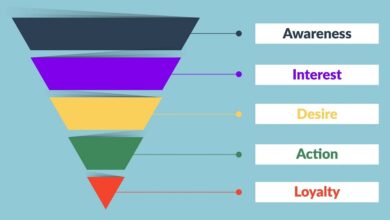
A marketing funnel is a visual framework that explains how prospects move step by step toward making a purchase decision. It narrows gradually because not every person who discovers a brand becomes a customer.

The funnel helps organizations

  • Understand customer intent at different stages
  • Deliver relevant communication at the right time
  • Improve conversion performance
  • Reduce marketing waste
  • Build stronger relationships over time

Businesses that map funnel stages carefully are better prepared to support customers throughout their decision process.

Understanding the Customer Journey

The customer journey describes every interaction a person has with a brand from first exposure to post purchase engagement. It includes both emotional responses and practical experiences across platforms such as websites, advertisements, social channels, and customer support.

Unlike the funnel, which focuses on movement toward purchase, the journey focuses on experience quality at each interaction point.

Combining both perspectives allows marketers to design strategies that are both structured and customer centered.

Key Stages of the Marketing Funnel

Although models vary slightly across industries, most marketing funnels follow a consistent structure that reflects how people make decisions.

Awareness Stage

At this stage, potential customers first discover a product, service, or brand. They may not yet recognize a specific need but become aware of available solutions.

Common awareness strategies include

  • Educational blog content
  • Social media visibility
  • Search engine presence
  • Online advertisements
  • Informational videos

The primary goal is visibility rather than immediate conversion.

Interest Stage

Once awareness is established, individuals begin exploring whether the offering matches their needs. They actively seek information and compare alternatives.

Effective approaches include

  • Detailed articles and guides
  • Email newsletters
  • Product comparisons
  • Webinars and demonstrations

Content at this stage should answer questions clearly and build trust.

Consideration Stage

During consideration, prospects evaluate whether the product delivers real value. They often compare pricing, features, and reliability before moving forward.

Helpful marketing actions include

  • Case studies
  • Testimonials
  • Free trials
  • Product walkthroughs
  • Expert recommendations

Providing transparent information strengthens confidence and reduces hesitation.

Conversion Stage

This stage represents the decision point where a prospect becomes a customer. Clear communication and smooth purchasing processes are critical here.

Conversion focused tactics include

  • Limited time offers
  • Clear pricing explanations
  • Simple checkout experiences
  • Customer support assistance

Reducing friction at this stage improves success rates significantly.

Loyalty Stage

After purchase, customers continue interacting with the brand. Positive experiences encourage repeat purchases and long term engagement.

Ways to support loyalty include

  • Personalized follow up communication
  • Reward programs
  • Helpful onboarding guidance
  • Exclusive updates

Retention often costs less than acquiring new customers, making loyalty strategies highly valuable.

Advocacy Stage

Satisfied customers may recommend a brand to others. This stage strengthens reputation and creates organic growth opportunities.

Advocacy can be encouraged through

  • Referral programs
  • Community engagement
  • Customer recognition initiatives
  • Review requests

Customer recommendations often influence new buyers more than advertisements.

Relationship Between Funnel Stages and Customer Journey

While the funnel explains progression toward purchase, the customer journey highlights how people feel during each interaction. Both perspectives should work together rather than separately.

For example

  • Awareness aligns with discovery experiences
  • Interest reflects research behavior
  • Consideration includes evaluation interactions
  • Conversion depends on purchase convenience
  • Loyalty depends on satisfaction quality
  • Advocacy reflects trust and emotional connection

Organizations that align messaging with these stages improve engagement consistency across platforms.

Why Mapping the Customer Journey Matters

Mapping the journey helps businesses understand where customers succeed or struggle during interactions. It also reveals gaps that may reduce conversion potential.

Important benefits include

  • Identifying weak communication points
  • Improving customer satisfaction levels
  • Enhancing personalization strategies
  • Supporting stronger retention outcomes
  • Increasing marketing efficiency

Accurate journey mapping transforms marketing from guesswork into structured planning.

Practical Steps to Optimize Funnel Performance

Improving funnel effectiveness requires continuous evaluation and adjustment based on customer behavior.

Useful optimization steps include

  • Tracking visitor behavior across platforms
  • Testing different communication approaches
  • Refining audience targeting strategies
  • Improving website navigation clarity
  • Strengthening follow up engagement after purchase

Small improvements at multiple stages often create measurable long term impact.

Common Mistakes Businesses Make With Marketing Funnels

Many organizations attempt to move customers too quickly toward purchase without building trust first. This often reduces engagement instead of improving results.

Typical mistakes include

  • Ignoring early stage education
  • Using identical messaging at every stage
  • Overlooking post purchase communication
  • Failing to analyze customer feedback
  • Not measuring performance indicators regularly

Avoiding these issues improves both customer experience and campaign efficiency.

Frequently Asked Questions

How is a marketing funnel different from a sales funnel

A marketing funnel focuses on attracting and nurturing potential customers, while a sales funnel concentrates on closing transactions after prospects show strong intent.

Can small businesses benefit from marketing funnel strategies

Yes. Even simple funnel structures help small businesses organize communication, prioritize efforts, and improve customer engagement consistency.

How often should a marketing funnel be updated

Funnels should be reviewed regularly based on customer behavior data, campaign performance insights, and changes in market conditions.

What tools help track customer journey interactions

Analytics platforms, customer relationship management systems, and behavior tracking software help monitor interactions across digital channels.

Is personalization important in funnel management

Personalization improves relevance at each stage and increases the likelihood that customers continue moving forward in the decision process.

How do businesses measure funnel effectiveness

Performance is measured using indicators such as engagement rates, conversion percentages, retention levels, and repeat purchase activity.

Can offline interactions be part of the customer journey

Yes. Store visits, customer service calls, and event participation are important journey touchpoints that influence purchasing decisions and loyalty development.

Related Articles

Back to top button